North to the Future

Rolling through a blank spot on the map
by Ned Rozell

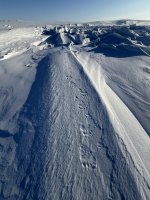
RUBY — Beneath a bulbous waxing moon, we roll along on a ribbon of packed snow. The clear river ice beneath our tires is four feet thick.

That ice we can’t see is the crystal memory of so many cold days of the winter of 2025-2026. The remaining spruce pile of our Tanana friends Charlie Campbell and Ruth Althoff was small enough to be covered by a single tarp.
To get to Tanana, Forest Wagner and I pedaled to Alaska’s largest river via a newish road from Manley Hot Springs.
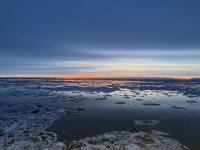
When I first saw Forest backdropped by that massive expanse of chunky white, my jaw dropped to my chest in a real-life cliché. You forget how big this river is when you haven’t seen it for a while.

Forest and I are pedaling the White Lonely for the next week and a half, two ants crawling over a cold moon. We never get very close to shore.

In our attempt to ride from home to Nome, the section from the village of Tanana to Ruby is the one that kept me up at night in January. People just don’t travel it much. We are dependent on a packed trail, which Hudson Stuck noted was the greatest gift one northern traveler can give another.

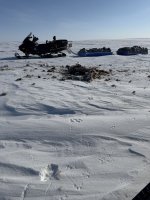
While we float at the speed of a canoe, we shove our bikes off the trail to allow passage of a few snowmachiners each day. Between Tanana and Ruby, they all fit the same profile: one man wearing a praying mantis helmet, driving a modern black machine with a plastic red jug of gas strapped behind his seat. Only one stopped to chat. Most waved or gave a thumbs-up in passing while surfing the deep snow around us.

“Travelers,” Forest said.

The 120-mile stretch between Tanana and Ruby features a few log cabins separated by many miles of frozen river and a few more structures that were once there when I skied this stretch with Andy Sterns 25 years ago. That’s long enough for floods to wash some away or for leaky roofs to collapse.

While we were in Tanana, our hosts remembered summers past during which they harvested king and chum salmon. Those fish were once so numerous beneath our wheels in their pinky-size fry stage, waiting for the river to break up so they could torpedo to the ocean.

In the largest natural-history change in recent times in Alaska, salmon numbers have nosedived to the point that no one can fish for them anymore. The spruce fish wheels, anchored now in deep snow, will remain at the Tanana boat landing again this summer. Ruth called it a fish-wheel graveyard.

Being out here reminds this urban Alaskan of what we have all lost with the end of those runs of swimming protein and soil nutrients that seemed infinite. Tanana, once famous for its number of dog teams that ran on dried chum salmon from the river, is down to a limited number of aging veterans whose owners can afford to feed the expensive imported-from-America kibble that my wife and I feed our dogs.

The ghosted-out fish camps we pass on this section of the river tell a story of that huge change, when we pay attention to it. But sometimes we just daydream and stand on the pedals to get off the seat. Every hour, we stop rolling, plant our boots on the trail and eat. When we pause to stop chewing, the hum of utter silence wraps itself around us like a hug.

When my satellite tracker is on, you can see our arrow creeping across the landscape here: https:share.garmin.com/NedRozell.
 
Back
Top